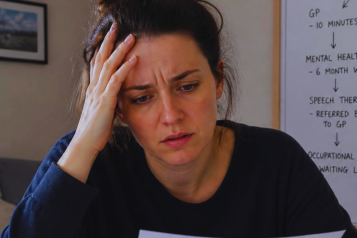
Youthwatch Autism Workshop Brings Lived Experience into GP Practice Conversations

On 3rd March 2026, Healthwatch Cambridgeshire and Peterborough’s Youthwatch team hosted an online workshop focused on the barriers young people with autism face when accessing primary care services. The session brought together young people with lived experience, parents, and healthcare professionals to share insights, reflect on current practice, and identify meaningful improvements within GP surgeries.
Creating a Space for Honest Conversation
The workshop was chaired by Molly Hopgood (Healthwatch), who opened the session and welcomed attendees. Young people including Chloe, Bill Jones, Oliver Turner, James Grady, and Byron were joined by professionals from a range of roles including GPs, practice nurses, social prescribers, researchers, and representatives from the Adult Autism Team.
Chloe began by setting the scene with an overview of autism, including guidance on appropriate language and understanding. This was followed by powerful anecdotes from young people, sharing first-hand experiences of navigating GP services. These stories highlighted the real-life challenges faced, from sensory sensitivities to communication barriers.
Key Themes and Challenges
A number of important themes emerged during the discussion:
1. Sensory and Environmental Barriers
Participants highlighted how factors such as lighting, noise, and busy waiting rooms can increase anxiety for autistic patients. Small environmental adjustments could make a significant difference.
2. Communication Difficulties
Young people shared how describing symptoms—particularly through online forms—can be challenging. This can sometimes lead to misunderstandings or incorrect diagnoses. Professionals acknowledged the need for more flexible and supportive communication methods.
3. Access to Appointments
The standard 10–15 minute GP appointment was widely discussed as insufficient for some autistic patients, particularly those with multiple or complex conditions. The option for double appointments and continuity of care with the same clinician were identified as key improvements.
4. Online Systems and Triage
While online booking and triage systems can improve efficiency, they can also create barriers. Some patients find forms difficult to complete or struggle with digital systems. The importance of offering alternative support—such as receptionist assistance or phone-based options—was emphasised.
5. Waiting for Diagnosis
Long waiting times for an autism diagnosis were highlighted as a major concern. Young people stressed that support and reasonable adjustments should not be dependent on having a formal diagnosis.
Sharing Good Practice
Professionals in attendance shared examples of adaptations already being made:
- Social prescribers offering longer appointments and building rapport over several weeks
- Meeting patients outside or in quieter spaces to reduce anxiety
- Providing flexible communication options such as email or letters
- Allowing advocates to support patients during appointments
The concept of Health Passports—documents outlining a patient’s needs and preferences—generated significant discussion. While some attendees were familiar with them, others had not encountered them before, highlighting inconsistencies across practices. There was strong agreement that better awareness and integration of Health Passports into patient records could improve care.
Small Changes, Big Impact
A key message from the workshop was that many improvements are small, practical changes that can have a big impact. These include:
- Flagging patient needs clearly on GP systems
- Ensuring patients receive test results promptly, even when normal
- Offering consistent clinicians where possible
- Increasing awareness and training around autism
As Molly noted during the session, many of these changes are “systematic, but small” and within reach for most practices.
Commitments to Change
At the end of the workshop, professionals were invited to make a pledge—committing to at least one positive change they would take back to their practice.
Some of these included:
- Exploring the use of Health Passports and uploading them to patient records
- Raising awareness of autism-related needs in practice meetings
- Considering double appointments and improved continuity of care
- Reviewing waiting room environments and communication approaches
These pledges reflect a shared commitment to improving the experience of autistic patients in primary care.
A Powerful Close
The workshop concluded with Chloe sharing a poem, bringing together the themes of the session in a personal and impactful way.
Looking Ahead
This workshop demonstrated the value of bringing lived experience directly into conversations with healthcare professionals. By listening to young people and working collaboratively, there is real opportunity to create more inclusive, accessible GP services.
Healthwatch Cambridgeshire and Peterborough will continue to support this work, ensuring that the voices of young people remain central to shaping local health services.